
When ‘leveling up’ comes with a side of social ostracism.
When it comes from a place of self-love and inner worth, the pursuit of betterment is usually a worthwhile one. Often, it leads to becoming more self- actualised, like stepping into the identity of the ‘highest you’ you always imagined in your head. Plus, there’s plenty of important things to be gained along the path to your goals, like resilience, grit and problem-solving skills. After all, it’s not usually smooth sailing from point A to B — but rather, a rocky path paved with plenty of obstacles.
However, you may notice that as you begin to become a healthier, more healed and confident version of yourself, not everyone is on board. Say, for example, you’ve lost weight, in an effort to improve your health and feel more comfortable in your own skin. You meet up with a group of people you haven’t seen in a while, wearing a cute outfit and feeling yourself. But then, you notice a shift in dynamics. While you might have once felt welcomed (if, a little bit like ‘inoffensive wallpaper’), suddenly you feel uncomfortable and like you’re on the outside. You feel all eyes on you (and not in a good way), and like there’s now a strange vibe lingering in the air.
Congratulations, thanks to all of your hard work, you’re now considered a threat. And, while there’s plenty of advantages to be gained in more closely aligning with modern social expectations (especially in the workplace and dating world), you also have to contend with the downside. That is, dealing with envy, hostility, contempt and sometimes even ostracisation, from people who want what you have.
This experience is particularly common in Australia and New Zealand, due to a phenomenon called ‘tall poppy syndrome.’ Related to our strong social undercurrent of egalitarianism, there’s a tendency to want to ‘cut down’ those who stand above other people. In particular, there’s a strong distaste for those who are seen to self-promote or talk about their accomplishments too much. This is less common in countries like the United States which are highly individualistic, and there’s less of a desire to preserve the status quo.

There’s a good reason that Margot Robbie, an exceptionally beautiful and successful woman, has had to intentionally cultivate a ‘down-to-earth, everyday Aussie’ public identity. If she hadn’t, it’s likely she wouldn’t have been embraced so wholeheartedly by her fellow Aussies.
And while unfortunately, it’s usually women exhibiting this behaviour to other women (due to internalised misogyny, extreme beauty standards and a sense of ‘competing’ for men), this isn’t always the case. Amidst the incel and ‘red pill’ movements, it’s not uncommon to see men tearing down women in an attempt to make women lower their standards. Let’s not forget the hordes of men online who are adamant that Margot Robbie and Sydney Sweeney — who would never give them the time of day in real life — are ‘mid’ or below average.
So, what can be done about this? Because, while relegating ourselves to a life of mediocrity isn’t good for ourselves or broader society (after all, there would be no innovation if everyone stopped striving for ‘more’), we also all want to feel accepted.
Read on for practical tips for navigating jealousy in social situations, while still staying true to yourself and maintaining your pride.
Beware, the evil eye
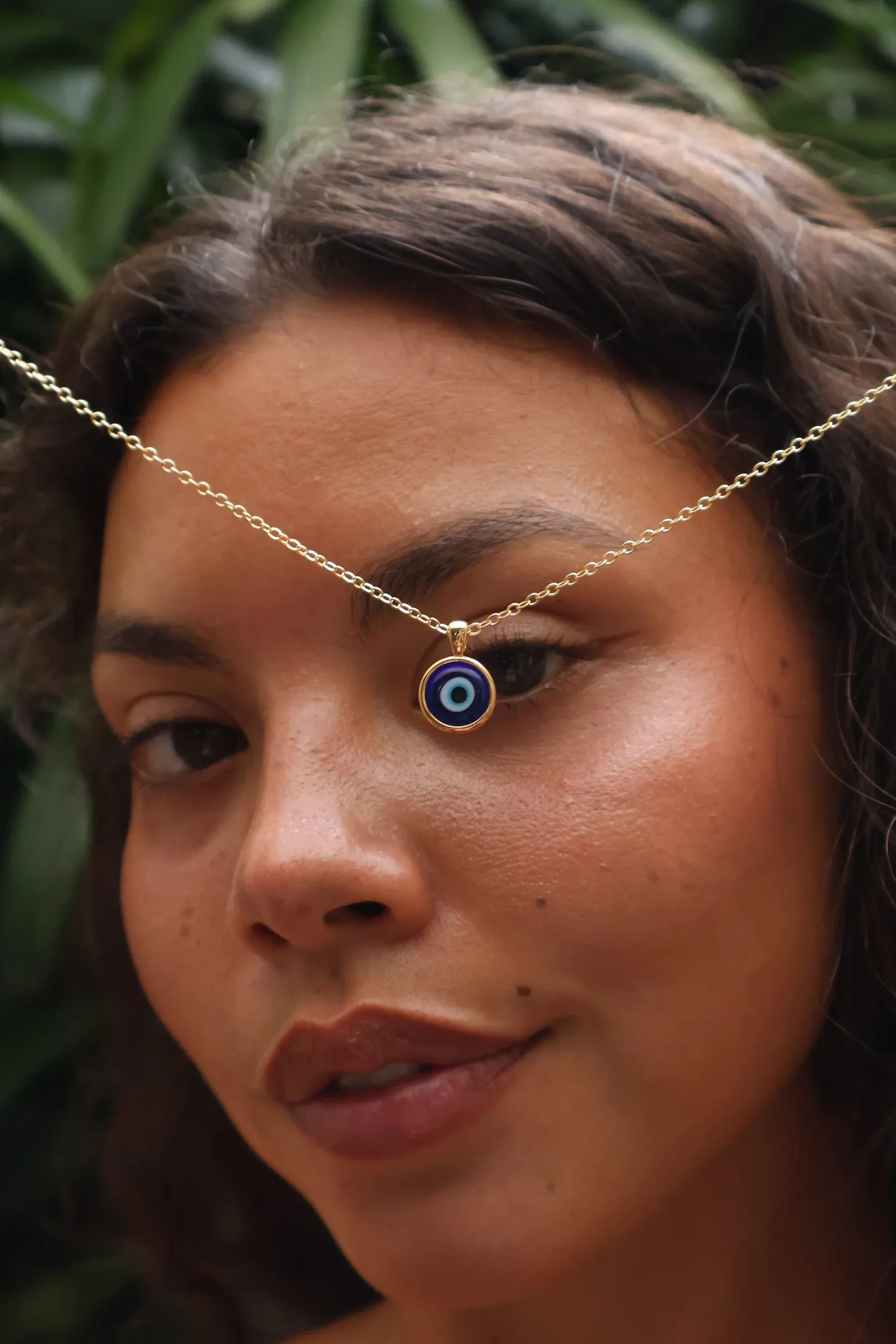
For thousands of years, Ancient civilisations like the Greeks, Romans, Islam and Latin America have worn amulets (and now, jewellery) to protect themselves from the curse of the ‘evil eye.’ This is the idea that if someone is looking at you with malevolence or envy, it can cause you spiritual or even physical harm over time.
Whether or not you consider yourself a spiritual person, there’s some truth to the concept of the evil eye. When you feel like someone is harbouring resentment towards you, it can chip away at your sense of self (as well as the relationship). You may even start to question yourself and feel like you’re crazy, especially if their behaviour is subtle.
If you feel like someone is treating you strangely or unfairly for no apparent reason, trust your instincts. You don’t have to confront them, but consider whether you actually want to spend time with this person. If possible, stay civil and pleasant in your dealings with them, but avoid divulging too much about yourself and your accomplishments (as this can just give them more ammunition against you).
On social media, protecting yourself from the ‘evil eye’ might look like removing some of those people who lurk your stories but never like or comment from your followers list, if you feel like they’re doing so with the wrong intentions.
Diffuse, don’t dim
While it may be tempting, the last thing you want to do is try to play down your accomplishments, in an attempt to fit in or make other people feel more comfortable. Or worse yet, stop trying to improve yourself further. While this might work in the short term, it will likely just lead to you feeling inauthentic (which other people can sense, anyway).
Rather than dimming your own light, consider ways you can instead shine it on other people. As the expression goes, a rising tide lifts all boats. This doesn’t mean giving unsolicited advice to people who are quite happy where they are. But rather, consider yourself an example of what’s possible. If someone asks you about something you’ve achieved recently, share your experiences freely and let them know they can come to you if they ever need any advice or resource suggestions.
Share your journey
No, you shouldn’t have to pander to people who are insecure. But, it’s far too easy for people (especially those who don’t know you well) to look at the ‘after’ version, and assume it’s just come easily to you. Just because you know that you’ve had to overcome plenty of obstacles to reach your destination, doesn’t mean everyone else knows this, too. So, why not take people along the journey with you?
This isn’t about playing down your accomplishments to make other people feel more comfortable. In fact, it’s actually quite the opposite. Instead of saying “Oh yeah, but it was really easy for me for XYZ reason,” you’re saying “Yes, it was a lot of hard work, but I learned so much along the way.” You’ll likely find that people appreciate the honesty, and will feel like they’re along the journey with you, too.
Recognise your privilege
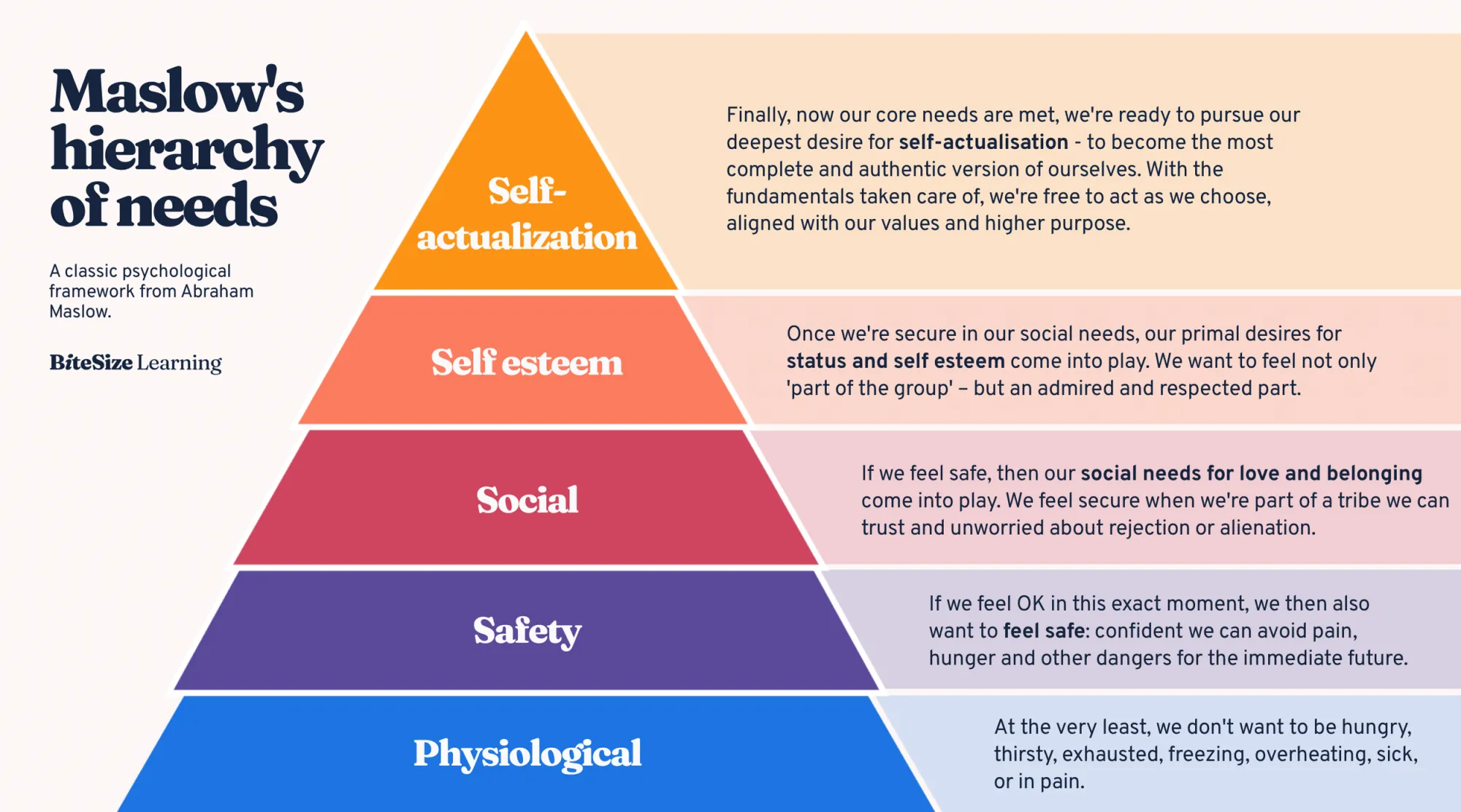
Unfortunately, not everyone has the time, space, money or even psychological safety to focus on self-improvement. If you think about Maslow’s Hierarchy of Needs, many people are stuck on the second rung focusing on safety and security needs, while you’re closer to the top focusing on self-actualisation. Whether it’s related to social, cultural or economic factors, acknowledging your privilege is not only refreshing, but important.
This can also be related to life stage. Say you’ve just gone through a fitness transformation, run a marathon or launched an amazing business, and it feels like your friend — who is currently postpartum — just can’t relate. That’s completely fine, and understandable. You can absolutely remind them “Yes, but you’ve been busy keeping a baby alive!”